Rental oven cleaning rules for Lambeth council properties Kennington
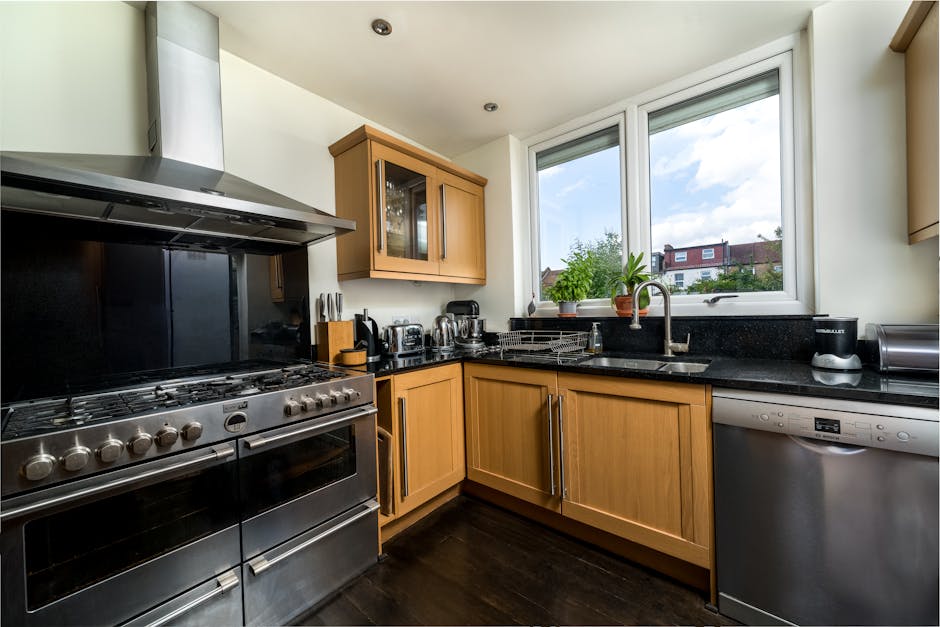
If you live in a Lambeth council property in Kennington, the question of oven cleaning can feel oddly specific until move-out day is suddenly looming. Then it matters a lot. Rental oven cleaning rules for Lambeth council properties Kennington are really about one simple thing: leaving the oven in a condition that matches your tenancy obligations and avoids avoidable charges, complaints, or delays. Sounds straightforward, but the details can trip people up.
This guide explains what is usually expected, how the process works in practice, and where tenants most often go wrong. You will also find a clear checklist, a comparison of cleaning methods, and a practical example based on a typical end-of-tenancy situation. No fluff. Just the useful bits, in plain English.
Why Rental oven cleaning rules for Lambeth council properties Kennington Matters
Let's face it: an oven is one of those things you do not really notice until it is greasy, smoky, or being checked at the end of a tenancy. In council housing and other rented homes, oven condition often becomes part of the wider expectation that the property is returned clean and in good order, allowing for fair wear and tear.
For tenants in Kennington, the reason this matters is simple. A dirty oven can lead to unnecessary deductions, awkward handovers, or avoidable back-and-forth with property management or housing teams. Even if the rest of the flat is spotless, a heavily baked-on oven can make the whole place look neglected. That is a frustrating place to be, especially if you have already spent a Sunday scrubbing skirting boards and trying to get the kitchen to smell less like last night's roast.
There is also a practical side. A clean oven is easier to inspect, safer to use, and less likely to leave stubborn residue for the next occupant. In a busy London property, where turnover periods can be tight, being organised about oven cleaning helps everything move more smoothly. It is one small job with outsized consequences.
Expert summary: The safest approach is to clean the oven thoroughly before handover, keep proof if you can, and follow the specific tenancy instructions rather than relying on guesswork.
How Rental oven cleaning rules for Lambeth council properties Kennington Works
There is no single universal "oven cleaning law" that says every council property must be cleaned in exactly the same way. In reality, it works through a mix of tenancy agreement terms, property condition standards, and the common expectation that the home should be left reasonably clean on departure. That is the bit people sometimes miss. It is not just about whether the oven works; it is about how it looks and whether grease, burnt food, or carbon build-up has been left behind.
In a typical move-out scenario, the process looks something like this:
- The tenancy ends or an inspection is scheduled.
- The property is checked against the expected return condition.
- The oven is inspected for grease, burnt-on residue, trays, seals, racks, and glass.
- If the oven is not clean enough, the tenant may be asked to clean it before handover or be charged for professional cleaning.
- Photos or inspection notes may be used as evidence if there is any dispute.
In practice, councils and housing teams usually care about fairness. They are not expecting a showroom finish, but they are unlikely to accept a thick layer of grease, blackened glass, or an oven that still smells of burnt fat. Truth be told, nobody wants to open an oven door and feel slightly attacked by it.
If you are unsure what standard applies, it is better to look at your tenancy documents and any move-out guidance you have been given. That is the place where the real expectations live. Not in rumour, not in what a neighbour once said, and not in a vague memory from two years ago.
Key Benefits and Practical Advantages
Cleaning the oven properly is not just about avoiding charges. There are a few real-world benefits that make the effort worthwhile.
- Lower risk of deductions: A clean oven reduces the chance that a landlord, agent, or housing officer will mark it as requiring professional attention.
- Smoother inspections: An oven that is clearly cleaned tends to speed up the inventory or checkout process.
- Better kitchen hygiene: Old grease, crumbs, and carbon residue can attract odours and make the whole kitchen feel grim.
- Less stress at the end of a tenancy: Move-out is busy enough without a last-minute panic over oven trays and door glass.
- Better for the next resident: Leaving appliances in a decent state is a basic courtesy, and in council properties that matters even more because the home is part of a shared housing system.
One overlooked advantage is time. A neglected oven can take far longer to clean than most people expect. Start early, and you can avoid the nasty surprise of discovering that "quick wipe down" was never going to cut it.
If your wider home needs attention too, a deeper clean may be more efficient than dealing with the oven alone. Services such as deep cleaning or end of tenancy cleaning can help when the whole property needs a reset rather than a surface tidy.
Who This Is For and When It Makes Sense
This topic matters most if you are:
- moving out of a Lambeth council property in Kennington
- preparing for a tenancy inspection
- trying to avoid deductions for cleaning charges
- handing back keys after a long tenancy
- helping a family member or friend manage their move-out clean
- dealing with an oven that has not been cleaned properly in months
It also makes sense for tenants who are staying put but want to maintain the home properly. A dirty oven is one of those things that quietly gets worse over time. You do not notice it on Monday, then by Friday there is a burnt-on patch that seems to have acquired a permanent postcode of its own.
For some people, a DIY clean is enough. For others, especially if the oven has heavy build-up, hiring support from an experienced oven cleaner may be the more sensible route. There is no prize for struggling through a job that could have been done properly the first time.
Step-by-Step Guidance
Here is a practical approach that works well for most rental ovens. Not glamorous, but effective.
1) Check the tenancy and move-out notes first
Before you reach for the scourer, check whether your tenancy agreement or move-out instructions mention cleaning expectations. Some properties want the oven returned free of food residue and grease; others may phrase it more generally. Either way, start with the document, not the guesswork.
2) Let the oven cool fully
This sounds obvious, and yet people rush it all the time. A cool oven is safer to clean and allows you to work properly without streaking grease around. Give it time. Have a cup of tea. Let it settle.
3) Remove racks, trays, and loose parts
Take out everything removable. Soak racks and trays separately if they are greasy. This makes the main cavity easier to clean and helps you deal with hidden grime around the edges.
4) Tackle loose debris first
Use a soft brush, cloth, or vacuum attachment suitable for the area to remove crumbs and loose debris from the oven floor and seals. This step is boring, yes, but it stops grime from turning into sludge when you add cleaning product.
5) Apply the right cleaner carefully
Follow the product instructions. Avoid harsh methods on delicate finishes, seals, or glass unless the cleaner is specifically suitable. If you are using a professional service, ask how they handle stubborn grease, fan ovens, and door glass.
6) Focus on the high-risk areas
The areas most commonly missed are the oven door glass, control knobs, seals, shelf runners, and the space around the fan. These are the bits that make an oven look "clean enough" or not. A quick wipe on the front rarely does the job.
7) Rinse and dry properly
Leftover cleaner or damp streaks can make the oven look worse than it is. Wipe it down carefully and leave the door open briefly if safe to do so. A dry finish tends to photograph better too, which matters if you are keeping evidence.
8) Photograph the result
Take a few clear photos once the oven is clean. Keep them with your move-out records. It is a small habit, but it can save a lot of explaining later.
Expert Tips for Better Results
People often think oven cleaning is all about elbow grease. Not quite. It is more about method, patience, and not making the grime spread everywhere.
- Start sooner than you think: Heavy carbon takes time to soften. Leaving it until the night before moving out is a recipe for regret.
- Use a light first pass: Get rid of loose dirt before using stronger products. You will get a better result with less effort.
- Pay attention to the glass: Oily film on the oven door is one of the quickest ways to make a clean kitchen look unfinished.
- Don't ignore the seals: Grease trapped around seals can look untidy and may smell once the oven warms up again.
- Work from top to bottom: It is a simple trick, but it stops drips and residue from landing on already-cleaned areas.
If the oven has been badly neglected, a one-off professional clean can be worth considering. A service such as one-off cleaning can make sense when the appliance needs concentrated attention rather than routine upkeep. And honestly, some ovens do.
Small detail, but an important one: do not mix products unless you know exactly what you are doing. Safety first. The kitchen is not the place for improvisation.
Common Mistakes to Avoid
Most oven cleaning mistakes come from rushing or assuming the visible parts are the only parts that matter. They are not.
- Leaving it too late: Burnt-on grease is much harder to remove once it has been baked over again and again.
- Only cleaning the front: The door may look fine from a distance, but the inside glass and edges tell a different story.
- Using unsuitable abrasives: Scratches can damage surfaces and make the oven harder to clean next time.
- Forgetting removable parts: Racks, trays, and shelves often carry most of the grime.
- Assuming "used" means "unclean": Fair wear and tear is one thing; baked-on residue is another.
- Skipping evidence: If there is a dispute, photos and receipts are useful. Very useful.
Another common slip is to clean around the oven but not inside it. That sounds almost too obvious to mention, but in real life people get distracted. The bins go out, the hallway gets swept, the oven stays looking like it fought a losing battle with a casserole.
Tools, Resources and Recommendations
You do not need a van full of equipment to clean an oven properly, but the right tools make a real difference. A basic kit usually includes:
- microfibre cloths
- soft sponges or non-scratch pads
- a scraper only if suitable for the oven surface
- rubber gloves
- an oven-safe cleaning product
- warm water and a bucket or bowl
- an old towel for protecting the floor underneath
If you are comparing service options, look at what is included rather than just the headline price. For example, some oven cleaning services focus only on the cavity and glass, while others include racks, trays, knobs, and extractor areas. The more detailed the service, the more useful it tends to be for a move-out clean.
It can also help to choose a company that is transparent about pricing and security. If you are booking support, check pages like pricing and quotes, payment and security, and insurance and safety so you know what to expect before anyone comes to the property.
For households that are trying to be a bit greener, the page on recycling and sustainability may also be useful. It is not directly about oven cleaning rules, but it does speak to the broader way you manage waste, product use, and household upkeep.
Law, Compliance, Standards, or Best Practice
Here is the careful bit. Tenancy obligations, property management expectations, and cleaning standards can vary, so it is wise not to assume there is one fixed council-wide rule that covers every case. The safer approach is to treat oven cleaning as part of your duty to return the property in a reasonably clean condition, subject to normal wear and tear and the terms of the tenancy.
In practical terms, that means:
- follow the tenancy agreement and any move-out instructions
- clean the oven thoroughly enough that grease, food residue, and bad odours are not left behind
- do not cause damage while cleaning
- keep records if you use a professional service
- raise any pre-existing issues early if the appliance was already faulty or damaged
If health and safety matters are on your mind, that is reasonable. Some ovens are awkwardly positioned, and aggressive cleaning can be tiring or messy. If the job is difficult, using a trained cleaner may be the better option. Our own view is simple: a careful clean is better than a rushed one, and a safe clean is better again.
Also, if the wider property needs attention beyond the kitchen, it can make sense to bundle tasks together. Services such as domestic cleaning or house cleaning can help keep the whole home at the right standard without turning your week into a cleaning marathon.
Options, Methods, or Comparison Table
There are usually three realistic ways to handle oven cleaning before a tenancy handback. Each has its place.
| Method | Best for | Pros | Cons |
|---|---|---|---|
| DIY clean | Light to moderate grime, budget-conscious tenants | Low cost, immediate, flexible | Time-consuming, easy to miss hidden dirt |
| One-off professional oven clean | Heavy build-up, move-out pressure, limited time | More thorough finish, less stress, useful for checkout standards | Costs more than doing it yourself |
| Full end-of-tenancy cleaning package | Whole-property handover, multiple rooms needing attention | Convenient, broader coverage, consistent result | May be more than you need if only the oven is the issue |
For many tenants, the choice comes down to time and condition. If the oven has only light use, DIY can work fine. If the oven has years of baked-on residue, or you are already juggling boxes and key returns and the internet has mysteriously stopped cooperating, professional help is often the calmer option.
Case Study or Real-World Example
Consider a fairly typical Kennington move-out. A tenant had lived in a Lambeth council flat for several years and used the oven regularly, but not recklessly. Over time, grease had built up on the door glass and around the racks. The kitchen looked tidy at first glance, yet the oven itself still had dark residue and a slight burnt smell after heating.
About a week before handover, the tenant checked the tenancy notes and saw that the property should be left clean and ready for inspection. Rather than leaving the oven until the final evening, they removed the shelves, soaked them, cleaned the cavity in stages, and took photos once finished. The result was not showroom-perfect, but it was clearly clean, and the inspection passed without an argument over oven condition.
The important lesson here is not that the tenant did something magical. They simply started early, cleaned the parts people usually forget, and kept evidence. Boring? Maybe. Effective? Absolutely.
Practical Checklist
Use this quick checklist before handover or inspection:
- Read the tenancy or move-out cleaning instructions
- Allow the oven to cool before cleaning
- Remove racks, trays, and loose parts
- Clean the cavity, door glass, seals, shelves, and knobs
- Deal with grease, crumbs, and burnt-on residue
- Wipe away cleaner residue and dry the surfaces
- Check for smells, streaks, and missed corners
- Photograph the finished result
- Keep any receipts if you used a professional service
- Re-check the appliance on the day of departure
If you tick those boxes, you are in a much stronger position. Simple, but it saves a lot of stress.
Get a free quote today and see how much you can save.
Conclusion
Rental oven cleaning rules for Lambeth council properties Kennington are not really about chasing perfection. They are about leaving the appliance clean enough to meet the tenancy expectation and avoid preventable problems at the end of the tenancy. If you treat the oven as part of the overall handover rather than a last-minute afterthought, the whole process becomes easier.
Start early, clean thoroughly, keep proof, and do not be shy about getting help if the job is bigger than expected. That is usually the difference between a smooth move-out and a tedious one. And after all the boxes, paperwork, and hallway trips, a clean oven is one small thing you can genuinely feel good about.
If you are planning ahead, a quick look at contact us can be a sensible next step, especially if you want advice on the right level of cleaning for your situation. A little preparation goes a long way, honestly.
Frequently Asked Questions
What are Rental oven cleaning rules for Lambeth council properties Kennington in plain English?
They are the practical expectations that the oven should be left clean, free from heavy grease and food residue, and ready for inspection when you move out or hand the property back.
Do I need a professional oven clean before leaving a council property?
Not always. If the oven is only lightly soiled, a careful DIY clean may be enough. If there is heavy build-up or you are short on time, a professional clean is often the easier route.
Will I be charged if the oven is not clean enough?
Possibly, depending on the tenancy terms and the inspection outcome. The safest approach is to leave the oven in a clearly clean condition and keep records of what you did.
What parts of the oven are most often checked?
Usually the cavity, door glass, racks, trays, seals, and visible grease around the edges. Those are the bits that make the biggest difference during an inspection.
How clean does the oven need to be for a move-out inspection?
It should be reasonably clean, hygienic, and free from stubborn residue. It does not have to look brand new, but it should not look neglected either.
Can I use any cleaner on my oven?
No. Use a product that is suitable for the oven surface and follow the instructions carefully. Some materials and finishes can be damaged by the wrong cleaner or an abrasive pad.
What if the oven was already dirty when I moved in?
That is where photos and early reporting help. If you inherited a dirty appliance, document it as soon as possible and keep any evidence you have from the start of the tenancy.
Is oven cleaning part of general domestic cleaning?
Often, yes, but not always. Some people prefer to handle it separately because ovens need more attention than a normal kitchen wipe-down. A broader service such as domestic cleaning can be helpful if the whole home needs work.
How long before moving out should I clean the oven?
Ideally a few days before handover, so you have time to fix anything you miss and avoid last-minute stress. Leaving it until the final evening is rarely a good idea.
Should I keep proof that I cleaned the oven?
Yes. Photos are useful, and receipts help if you used a professional service. It is a small bit of admin that can save a lot of hassle later.
What if the oven has stubborn burnt-on grease?
That is a sign you may need a deeper clean or professional support. Stubborn carbon build-up can be hard to remove safely without the right method and patience.
Can one-off cleaning be enough for a tenancy handover?
Yes, especially when the oven is the main issue or the property only needs a targeted clean. If the rest of the flat also needs attention, a more complete package may be better.