Landlord oven cleaning checklist for SE11 flats Kennington
Posted on 13/06/2026
If you manage a flat in Kennington, you already know how quickly an oven can go from "fine" to a sticky, smoky mess. Between busy tenants, the pressure of a move-out, and the usual last-minute scrubbing before key handover, oven cleaning can become the one detail that causes the most frustration. This guide gives you a practical Landlord oven cleaning checklist for SE11 flats Kennington, written for real rental situations rather than perfect showroom homes. It is designed to help you spot what matters, avoid unnecessary disputes, and keep the property in a condition that feels fair for everyone.
Whether you self-manage a small SE11 flat or coordinate cleaning between lets, the aim is simple: know what to check, what to expect, and when a proper deep clean is the smarter move. Truth be told, ovens are one of those areas people think they have cleaned until the grill tray says otherwise.
Why Landlord oven cleaning checklist for SE11 flats Kennington Matters
Oven condition is one of those small details that can have an outsized impact at the end of a tenancy. In SE11 flats, where kitchens are often compact and use is frequent, grease, carbon build-up, and food residue can accumulate fast. If the oven is overlooked, it can become the point where landlord and tenant expectations drift apart.
A clear checklist helps you separate normal wear from actual poor cleaning. That distinction matters. A lightly used oven may only need a careful wipe-down and tray clean. A heavily used one, especially after months of roasting, baking, and the occasional spill-over, may need a full deep clean before the next tenant moves in.
There is also the practical side. A clean oven improves the feel of the whole kitchen. Even if the sink shines and the hob is spotless, a burnt-on smell from the oven can make the flat feel tired. You can almost sense it when you open the door - that faint old-fat aroma no scented spray can really hide.
For landlords, a repeatable checklist is useful because it reduces guesswork. For tenants, it makes expectations clearer. And if you are coordinating a wider move-out clean, it fits neatly alongside end of tenancy cleaning in Kennington and broader property care such as deep cleaning services in Kennington.
How Landlord oven cleaning checklist for SE11 flats Kennington Works
The checklist works best when you treat the oven as a system rather than a single appliance. That means checking the cavity, racks, door glass, seals, trays, knobs, and surrounding areas. A tenant may have cleaned the visible parts, but hidden areas often tell a different story.
In practice, the process usually follows a simple order:
- Inspect the oven cold, with the lights on and the door open.
- Remove loose food debris and check for baked-on residue.
- Assess the racks, trays, fan cover, door glass, and seals.
- Decide whether a standard clean is enough or whether a deeper degrease is needed.
- Document the condition with notes or photos if you manage multiple lets.
This sounds straightforward, and mostly it is. The trick is consistency. If you inspect ovens the same way every time, your standards feel fair and much easier to explain. No surprises, no crossed wires.
For flats in Kennington, that consistency is especially useful because many kitchens are fairly compact. Small spaces show grime quickly. A few splashes behind the oven door can make the whole room feel untidy, so checking the surrounding splashback and handles is part of the job too.
Key Benefits and Practical Advantages
A proper oven cleaning checklist does more than keep the appliance looking decent. It supports better turnover between tenancies, clearer communication, and fewer awkward conversations after checkout.
- Reduces dispute risk: You can show what was present before handover and what needed attention.
- Speeds up turnaround: You know whether the oven needs a basic refresh or a deeper intervention.
- Protects the kitchen environment: Grease and residue can spread smells and make the whole room feel neglected.
- Supports fair deductions: If a deposit discussion arises, your notes are far more useful than memory alone.
- Improves tenant satisfaction: People notice when the oven is genuinely clean, not just "surface clean".
There is also a reputational benefit. Let's face it, tenants notice the kitchen first. A bright, clean oven gives the impression that the property has been cared for properly. That can set the tone for the whole tenancy, especially in a competitive rental market.
If you want help with the broader property clean, a full services overview or a tailored one-off cleaning visit in Kennington may be a sensible next step.
Who This Is For and When It Makes Sense
This checklist is useful for several people, not just landlords with multiple flats. In fact, it is often most useful for those managing one or two properties where every issue lands on your desk.
- Private landlords preparing a flat for re-let.
- Letting agents coordinating check-out standards.
- Tenants who want a fair checklist before moving out.
- Property managers handling multiple SE11 properties.
- Buy-to-let owners who want to protect the long-term condition of their kitchens.
It makes particular sense when the oven is visibly used, when a tenancy has run for more than a few months, or when the kitchen has not had a deep clean in a while. If the flat is being turned around quickly between viewings, a concise checklist also helps you avoid missing a simple but very noticeable issue.
Sometimes the right move is not to debate whether the tenant "should have" cleaned it. It is to look at the actual oven in front of you and decide what would make the property presentable and fair for the next occupant. Simple, really.
Step-by-Step Guidance
The following steps are written for typical SE11 rental flats, where ovens are often integrated and kitchen space is tight. You do not need specialist knowledge to follow them, but a steady process helps.
1. Start with a cold, clear inspection
Switch the oven off and let it cool fully. Open the door and check under good light. Look for burnt-on grease, crumbs, spill marks, and cloudy glass. If the smell is strong before you even begin, that is usually a sign residue has built up inside the cavity or around the fan area.
2. Check the door, seal, and glass
The door is easy to skim over because it looks "fine" from a distance. But the edge of the glass, hinge areas, and rubber seal can trap grime. If residue sits in the seal, it can affect how the door closes and make future cleaning harder. Keep an eye out for cracked seals or loose fittings too.
3. Remove trays and racks
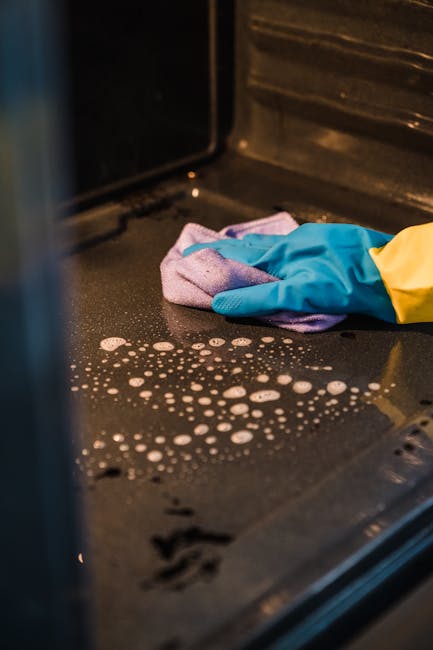
Take out shelves, trays, and any removable side supports if the model allows it. These parts often carry the worst staining. Soak them if needed, then clean with a non-abrasive method that suits the material. For older SE11 flats, you may encounter ovens with worn enamel, so avoid anything too harsh that could scratch the finish.
4. Wipe the cavity and hidden corners
Use a suitable degreasing approach for the interior walls, base, and roof of the oven. Corners, grooves, and around the fan cover are the spots that usually get missed. If you can still feel tackiness after wiping, it is not properly clean yet.
5. Clean the exterior touchpoints
Knobs, handles, control panels, and the front frame should be included. These areas collect fingerprints and cooking residue, especially if the oven is used daily. A tenant might clean only the visible front, but a landlord checklist should go a little further than that.
6. Reassemble and test for finish quality
Once clean and dry, put the components back in place and check that everything sits correctly. The final look should be dry, fresh, and free from streaks. If the oven door still looks smeared under natural light, give it one more pass. Morning light near a Kennington kitchen window can be unforgiving, oddly enough.
Expert Tips for Better Results
A few small habits make a big difference. They save time, reduce stress, and help the oven stay presentable for longer between tenancies.
- Inspect before the rest of the property clean finishes so you can plan the right level of effort.
- Use daylight if possible because it shows streaks and residue more honestly than warm indoor lighting.
- Do not rush the soak time on racks and trays. A few extra minutes can cut cleaning effort significantly.
- Pay attention to smells. Even when the oven looks clean, lingering odour may signal hidden residue.
- Photograph problem areas before cleaning if you are managing a handover. It keeps the record clear.
One thing we see often: people clean the door glass last, when they are already tired. That is usually when streaks happen. If you tackle the glass after the first degrease, and then again at the very end with a dry cloth, the finish is much better. Not glamorous, but effective.
If you are comparing different support options, a spring cleaning service in Kennington can be helpful when the oven is part of a wider reset, while house cleaning in Kennington may suit regular upkeep between tenant changes.
Common Mistakes to Avoid
Most oven cleaning problems are not caused by bad intentions. They are caused by haste, wrong products, or plain old underestimating how stubborn baked-on grease can be.
- Stopping at surface shine: A shiny front panel does not mean the oven cavity is clean.
- Using abrasive pads everywhere: These can damage enamel, glass, and metal finishes.
- Forgetting the racks and trays: They often hold the worst grime and smell.
- Ignoring the seal: Grease around the seal can affect function and future cleanliness.
- Cleaning too late in the turnover: If everything else is already packed away, the oven job becomes rushed.
- Assuming tenants know the standard: In reality, expectations need to be stated clearly.
Another common issue is trying to solve every oven problem with one product. Sometimes that works. Often it doesn't. Different surfaces need different care, and integrated ovens in SE11 flats can vary a lot in finish and age. A cautious approach usually beats an aggressive one.
Tools, Resources and Recommendations
You do not need a huge toolkit, but having the right items to hand makes the job less messy and less frustrating. The goal is a sensible clean, not a chemistry experiment in the kitchen.
| Tool or Item | Best Use | Notes |
|---|---|---|
| Soft microfibre cloths | Wiping interiors, doors, and panels | Good for streak-free finishing |
| Non-abrasive sponge | General degreasing | Safer for enamel and glass |
| Suitable oven cleaner or degreaser | Breaking down grease and burnt residue | Always follow the product instructions |
| Warm water and rinsing cloths | Removing cleaner residue | Important for a fresh finish |
| Protective gloves | Skin safety | Useful if you are handling strong cleaning agents |
| Phone camera | Condition records before and after | Very useful in tenancy handovers |
For more general cleaning support, some landlords also combine oven work with domestic cleaning in Kennington or one-off cleaning when a flat needs a broader reset. If soft furnishings are also looking tired, it may be worth reviewing upholstery cleaning in Kennington and carpet cleaning in Kennington at the same time.
Law, Compliance, Standards, or Best Practice
Oven cleaning itself is not usually the headline legal issue in a tenancy, but it sits inside the wider expectations around property condition, handover fairness, and basic safety. In the UK, the practical standard is usually tied to what was agreed in the tenancy, what condition the property was in at the start, and what is reasonable at check-out.
Best practice is to keep evidence. Inventory reports, move-in photos, and move-out notes are all useful. If you manage the flat professionally, a consistent cleaning standard also helps reduce disagreement later. That does not mean you need to over-lawyer every cupboard and knob. It means you should be clear, consistent, and proportionate.
From a safety point of view, avoid cleaning methods that create unnecessary risk. Do not mix products. Do not use harsh cleaners on hot surfaces. Make sure the appliance is off and cool before you begin. If something smells of gas, feels damaged, or looks unsafe, stop and get the issue checked properly. Common sense, really, but worth saying.
For service transparency and trust, it can also help to review a provider's health and safety policy, their insurance and safety information, and the practical details in their terms and conditions. If you are comparing service quality and accountability, those pages tell you a lot about how a business operates.
Options, Methods, or Comparison Table
There is more than one way to handle oven cleaning in a rental flat. The right method depends on how dirty the oven is, how much time you have, and whether you are preparing for a new tenant or simply keeping standards steady.
| Method | Best For | Pros | Limitations |
|---|---|---|---|
| Basic wipe-down | Light use, low residue | Quick and inexpensive | May miss build-up in corners and seals |
| Thorough manual clean | Typical move-out checks | Good control, detailed finish | Time-consuming if the oven is heavily soiled |
| Professional deep clean | Heavy grease, fast turnaround, rental handover | More consistent finish, less hassle | Costs more than doing it yourself |
If the oven has been used heavily, a professional deep clean can be the more sensible option. That is especially true when you are already juggling keys, inventory checks, and a long list of end-of-tenancy tasks. If the rest of the flat also needs attention, a broader deep cleaning service in Kennington can keep the overall standard more even.
For landlords who need pricing clarity, it is worth checking pricing and quotes before the turnover rush begins. It saves a lot of back-and-forth later.
Case Study or Real-World Example
Here is a realistic example from a typical SE11 flat situation. A landlord prepares a one-bedroom property near Kennington, and the outgoing tenant says they cleaned the oven the night before. On inspection, the glass front looks presentable at first glance, but the racks are sticky, the oven roof has brown speckling, and there is a faint burnt smell when the door opens. Nothing dramatic. Just enough to be annoying.
Rather than debate the wording of "clean", the landlord uses a simple checklist:
- Check the racks and trays first.
- Inspect door edges and seals.
- Compare the oven to the inventory photos from move-in.
- Decide whether a basic clean is enough or whether a deeper service is needed before viewings.
The result is straightforward. The oven needs more than a quick wipe, so the landlord arranges a more thorough clean before the next viewing. That avoids the awkward moment where a prospective tenant opens the oven and immediately wonders what else in the flat has been overlooked. Small thing, but it matters.
This is the real value of a checklist: it turns a vague complaint into a clear decision. Not perfect, but far better than relying on memory after a long day and a keysafe full of mixed labels.
Practical Checklist
Use this checklist as a quick landlord reference before handing over or re-letting a flat in Kennington. It is written to be usable, not precious.
- Confirm the oven is switched off and fully cool.
- Open the oven and inspect for loose crumbs and grease.
- Check the oven cavity walls, roof, and base.
- Inspect the fan cover and hard-to-reach corners.
- Remove and clean racks, shelves, and trays.
- Clean the door glass inside and out.
- Wipe the seal, hinges, and door frame.
- Clean knobs, handles, and control panels.
- Check the surrounding splashback and nearby worktop edge.
- Look for lingering smell or visible residue after drying.
- Take photos if the oven has damage, staining, or unusual wear.
- Decide whether a professional clean is needed for the final finish.
Expert summary: If the oven looks clean but still smells greasy, it is probably not finished. For tenancy handovers, visual cleanliness and odour-free presentation both matter.
That last point sounds obvious, but it gets missed all the time.
If you want help with the wider property refresh, you can also explore the company's about us page to understand the approach, or browse the latest updates in the Kennington cleaning blog. For local context, there is also a useful piece on the Kennington community, which gives a nice sense of the neighbourhood and the kind of homes being maintained here.
Conclusion
A landlord oven cleaning checklist for SE11 flats Kennington is really about clarity, fairness, and presentation. It keeps the move-out process calmer, helps you judge condition more consistently, and makes the kitchen feel ready for the next person who walks through the door with a suitcase and a takeaway in mind. A clean oven does not fix everything, of course, but it quietly raises the standard of the whole flat.
Used properly, this checklist can save time, reduce disagreements, and improve the tenant handover experience without making the process feel heavy or overcomplicated. That is the sweet spot. Practical, repeatable, and fair.
Get a free quote today and see how much you can save.
If you are planning a turnover in Kennington soon, the best next step is simple: inspect the oven early, decide what level of clean it really needs, and act before the rest of the handover gets rushed. A little calm at the beginning saves a lot of fuss later, and that's usually worth the effort.